




Hawaii Waterfall Tours: Chase the Islands’ Cascades
Quick summary: Hawaii’s lush, tropical, volcanic islands are home to countless spectacular waterfalls — from towering cascades plunging hundreds of feet to gentle falls with inviting swimming holes, set amid rainforest, cliffs and valleys. Chasing waterfalls is one of the most magical and quintessential Hawaii experiences, and tours take you to the best, whether roadside falls, hike-to cascades, or falls reached by helicopter. Each island has its own stunning waterfalls, and some you can swim beneath (conditions permitting). Waterfalls are best after rain, when they’re at their fullest. This guide covers the best islands and spots, how to see them, swimming, safety, and how to choose.
Hawaii Waterfall Tours at a Glance
| Detail | Information |
|---|---|
| What it is | Visiting Hawaii’s many spectacular waterfalls |
| The setting | Rainforest, cliffs and lush valleys |
| The range | Towering cascades to gentle swimming-hole falls |
| How to see them | Roadside, hike-to, or by helicopter |
| Swimming | Possible at some (conditions permitting) |
| Every island | Each has its own stunning waterfalls |
| Best after rain | When they’re at their fullest |
| The appeal | A magical, quintessential Hawaii experience |
| Best for | Nature lovers and those wanting lush scenery |
What Are Hawaii’s Waterfalls Like?
Hawaii’s lush, tropical, volcanic islands are home to countless spectacular waterfalls — from towering cascades plunging hundreds of feet to gentle falls with inviting swimming holes, set amid rainforest, cliffs and valleys. Chasing waterfalls is one of the most magical and quintessential Hawaii experiences.
The islands’ combination of high rainfall, mountainous volcanic terrain and lush rainforest creates ideal conditions for waterfalls, and they’re everywhere — a defining feature of Hawaii’s natural beauty. They range enormously: some are towering, dramatic cascades plunging hundreds of feet down cliffs; others are gentle falls tumbling into inviting pools and swimming holes; some are easily seen from the roadside, others hidden deep in valleys and rainforest. Set amid emerald-green jungle, dramatic cliffs and lush valleys, Hawaii’s waterfalls are postcard-perfect and often magical.
You can experience the waterfalls in several ways: some are roadside or easily accessible (a short walk from a car or viewpoint); others are reached by hiking through rainforest, which adds adventure; and some remote falls are best seen by helicopter, from the air. Tours take you to the best, handling the access and often adding local knowledge. At some waterfalls you can swim beneath the falls or in the pools (conditions permitting and where allowed).
Each island has its own stunning waterfalls, from Maui’s Road to Hana cascades to the Big Island’s falls to Kauai’s lush jungle falls. Waterfalls are best after rain, when they’re at their fullest and most dramatic (though heavy rain brings safety risks). For nature lovers and anyone wanting to experience Hawaii’s lush, tropical beauty, chasing waterfalls — whether roadside, on a rainforest hike, or from a helicopter — is one of the most magical and quintessential things to do in the islands.
Where Are the Best Waterfalls in Hawaii?
Each island offers stunning waterfalls, so knowing the options helps you plan where to chase cascades.
Maui — the Road to Hana — Maui is famous for its waterfalls, especially along the Road to Hana, where countless cascades line the lush route, some roadside, some reached by short walks — a waterfall-lover’s paradise.
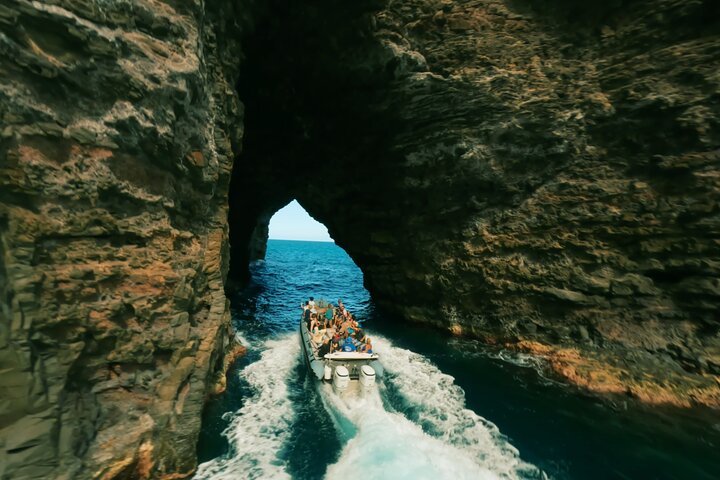
Kauai — the Garden Isle — the lushest island, Kauai has spectacular jungle waterfalls, some towering, some reached by hiking, boat or helicopter — many in remote, pristine settings.
Big Island — the Hilo side — the rainy, green eastern (Hilo) side of the Big Island has beautiful, accessible waterfalls, some roadside, amid lush scenery.
Oahu — Oahu has lovely waterfall hikes through lush valleys, accessible from the Honolulu area, popular with visitors.
Roadside and hike-to falls — across the islands, waterfalls range from easily accessible roadside falls to those reached by rainforest hikes — something for every level.
Helicopter-only falls — some remote, spectacular falls are best or only seen by helicopter, deep in inaccessible valleys.
Each island has its own — wherever you’re based, there are beautiful waterfalls to see, so you don’t need to island-hop to enjoy them.
So each island offers stunning waterfalls: Maui for the countless cascades of the Road to Hana; Kauai for spectacular, often remote jungle falls (by hike, boat or helicopter); the Big Island for beautiful, accessible falls on the lush Hilo side; and Oahu for lovely waterfall hikes near Honolulu. Falls range from easily accessible roadside ones to those reached by rainforest hikes, with some remote falls best seen by helicopter. Which is best depends on where you’re based and how you want to see them — the Road to Hana is a famous waterfall route, Kauai offers the most remote, pristine falls, and every island has accessible options. Because each island has its own beautiful waterfalls, you can enjoy them wherever you are, choosing roadside, hike-to or helicopter-viewed falls to suit your preference and ability.
Can You Swim at Hawaii’s Waterfalls, and Are They Safe?
Swimming at waterfalls is a magical prospect, but safety is important, so it’s worth understanding both.
Swimming at some falls — at some waterfalls, you can swim beneath the falls or in the pools and swimming holes below (where conditions permit and it’s allowed) — a magical experience.
Not all allow swimming — not all waterfalls are suitable or permitted for swimming — some are protected, dangerous, or on private land — so check which allow it.
Flash flood risk — a key danger: flash floods can occur suddenly at waterfalls and in streams, especially after or during rain upstream, which can be deadly — so heed warnings and avoid falls in rainy conditions.
Slippery and rocky — waterfall areas are often slippery, rocky and uneven, so take care, wear suitable footwear, and watch your step.
Falling rocks and depth — be aware of falling rocks near falls, and unknown water depth in pools — don’t dive, and enter cautiously.
Conditions after rain — while waterfalls are fullest and most dramatic after rain, heavy rain also brings the greatest flash-flood and safety risks, so balance the two.
Respect warnings and rules — always respect safety warnings, closures, and rules, which exist for good reason.
So yes, you can swim at some of Hawaii’s waterfalls — beneath the falls or in the pools below — which is a magical experience, but not all allow or suit swimming, and safety is a serious consideration. The key danger is flash floods, which can occur suddenly at waterfalls and in streams, especially after rain upstream, and can be deadly — so heeding warnings, avoiding falls in rainy conditions, and respecting closures are essential. Waterfall areas are also slippery and rocky, with risks of falling rocks and unknown water depth, so taking care, wearing suitable footwear and entering cautiously matter. While waterfalls are fullest and most dramatic after rain, that’s also when flash-flood risk is highest, so balancing the appeal against safety is important. Respecting all safety warnings and rules is essential — waterfalls are magical but demand caution.
How Do You Visit Hawaii’s Waterfalls?
Visiting Hawaii’s waterfalls can be done several ways, so here’s how to approach it.
Roadside and accessible falls — some waterfalls are roadside or easily accessible by a short walk, so you can see them with little effort, by car or on a tour.
Hike-to falls — many beautiful falls are reached by hiking through rainforest, adding adventure — match the hike to your fitness.
Helicopter for remote falls — some remote, spectacular falls are best seen by helicopter, from the air.
Guided tours — guided tours take you to the best waterfalls, handle access and logistics, add local knowledge, and may combine falls with other scenery (like the Road to Hana) — convenient and informative.
Self-guided — many accessible and popular falls can be visited self-guided (by car and short walks or hikes), for independence.
Combine with scenic drives/tours — waterfalls are often part of scenic drives and tours (like the Road to Hana), so you see many in one trip.
Prepare and check conditions — bring water, suitable footwear, swimwear (if swimming), and check weather and conditions (especially flash-flood risk).
So visiting Hawaii’s waterfalls can be done by seeing roadside and accessible falls (little effort), hiking to falls through rainforest (match the hike to your fitness), or viewing remote falls by helicopter. Guided tours take you to the best, handle access, add local knowledge, and often combine falls with scenic drives like the Road to Hana — convenient and informative. Self-guided visits suit accessible and popular falls for independence. Waterfalls are often part of scenic drives and tours, so you see many in one trip. Preparing (water, footwear, swimwear if swimming) and checking conditions (especially flash-flood risk) are essential. The right approach depends on which falls you want to see and how — roadside for ease, hiking for adventure, helicopter for remote grandeur — and whether you prefer guided or independent. With a bit of planning and attention to safety, chasing Hawaii’s waterfalls is a magical experience.
Practical Tips for Hawaii Waterfall Tours
- Waterfalls are best after rain — fullest then, but with higher safety risks.
- Beware flash floods — avoid falls and streams in rainy conditions; heed warnings.
- Each island has stunning falls — Maui’s Road to Hana, Kauai’s jungle falls and more.
- See them roadside, by hike, or by helicopter — match to your preference and fitness.
- Swim only where allowed and safe — not all falls permit or suit swimming.
- Wear suitable footwear — waterfall areas are slippery and rocky.
- Respect all safety warnings, closures and rules — they exist for good reason.
Are Hawaii Waterfall Tours Worth It?
For nature lovers and anyone wanting to experience Hawaii’s lush, tropical beauty, waterfall tours are well worth it — chasing the islands’ countless spectacular cascades is one of the most magical and quintessential Hawaii experiences.
The appeal is magical, postcard-perfect natural beauty. Hawaii’s lush, mountainous, volcanic islands are home to countless spectacular waterfalls, from towering cascades plunging hundreds of feet to gentle falls with inviting swimming holes, set amid emerald rainforest, dramatic cliffs and lush valleys. Chasing these waterfalls — whether roadside falls seen with little effort, cascades reached by rainforest hikes, or remote falls viewed by helicopter — is a defining, magical Hawaii experience. At some falls you can swim beneath the cascade or in the pools below, which is unforgettable. Each island has its own stunning waterfalls, from Maui’s Road to Hana to Kauai’s jungle falls, so you can enjoy them wherever you’re based. For experiencing Hawaii’s lush tropical beauty at its most magical, waterfalls are hard to beat.
The honest considerations centre on safety and conditions. The key danger is flash floods, which can occur suddenly at waterfalls and in streams, especially after rain upstream, and can be deadly — so heeding warnings, avoiding falls in rainy conditions, and respecting closures are essential. Waterfall areas are also slippery and rocky, with risks of falling rocks and unknown water depth. Notably, while waterfalls are fullest and most dramatic after rain, that’s also when flash-flood risk is highest, so balancing the appeal against safety matters. Not all falls allow or suit swimming, and some are protected or on private land, so respecting rules is important. Hike-to falls require fitness appropriate to the trail.
But for its audience, chasing Hawaii’s waterfalls is magical. Whether you see easily accessible roadside falls, hike through rainforest to hidden cascades, view remote falls by helicopter, or swim beneath a waterfall in a pristine pool (where safe and allowed), it offers a quintessential, unforgettable experience of Hawaii’s lush beauty. For nature lovers and anyone wanting the islands’ tropical magic — and willing to respect the safety considerations, especially flash floods — Hawaii waterfall tours are thoroughly worth it, one of the most magical things to do in the islands.
Hawaii’s lush, tropical, volcanic islands are home to countless spectacular waterfalls, from towering cascades plunging hundreds of feet to gentle falls with inviting swimming holes, set amid rainforest, cliffs and valleys. The islands’ high rainfall, mountainous terrain and rainforest create ideal conditions, and waterfalls are a defining feature of Hawaii’s natural beauty. Some are roadside or easily accessible, others reached by hiking or best seen by helicopter. At some you can swim beneath the falls or in the pools. Each island has its own stunning waterfalls, and they are best after rain when fullest. Chasing them is a magical, quintessential Hawaii experience.
Each island offers stunning waterfalls. Maui is famous for its waterfalls along the Road to Hana, where countless cascades line the lush route. Kauai, the lushest island, has spectacular jungle waterfalls, some towering and remote, reached by hiking, boat or helicopter. The Big Island’s rainy eastern (Hilo) side has beautiful, accessible falls. Oahu has lovely waterfall hikes near Honolulu. Falls range from easily accessible roadside ones to those reached by rainforest hikes, with some remote falls best seen by helicopter. Which is best depends on where you are based and how you want to see them, but every island has beautiful waterfalls.
At some waterfalls, yes, you can swim beneath the falls or in the pools and swimming holes below, where conditions permit and it is allowed, which is a magical experience. However, not all waterfalls are suitable or permitted for swimming, as some are protected, dangerous, or on private land, so check which allow it. Safety is a serious consideration: flash floods, slippery rocks, falling rocks and unknown water depth are real risks. So swim only where it is safe and allowed, heed all warnings, avoid falls in rainy conditions due to flash-flood risk, and enter cautiously. Where safe and permitted, swimming at a waterfall is unforgettable.
Hawaii’s waterfalls are generally safe to visit with proper caution, but there are real dangers to respect. The key danger is flash floods, which can occur suddenly at waterfalls and in streams, especially after rain upstream, and can be deadly, so heed warnings, avoid falls in rainy conditions, and respect closures. Waterfall areas are often slippery, rocky and uneven, with risks of falling rocks and unknown water depth in pools, so take care, wear suitable footwear and enter water cautiously. While waterfalls are fullest after rain, that is also when flash-flood risk is highest. Respecting all safety warnings and rules is essential for a safe visit.
Hawaii’s waterfalls are best after rain, when they are at their fullest and most dramatic, with the greatest flow. The wetter season and periods after rainfall see the falls at their most spectacular. However, there is an important trade-off: heavy rain also brings the greatest flash-flood and safety risks, which can be deadly at waterfalls and streams. So while waterfalls are most impressive after rain, that is also when they are most dangerous, so you must balance the appeal against safety, heed warnings, and avoid falls during or just after heavy rain. Many waterfalls flow year-round, so you can enjoy them in drier, safer conditions too.
Several ways. Some waterfalls are roadside or easily accessible by a short walk, seen with little effort by car or tour. Many beautiful falls are reached by hiking through rainforest, adding adventure, so match the hike to your fitness. Some remote, spectacular falls are best seen by helicopter. Guided tours take you to the best falls, handle access and logistics, add local knowledge, and often combine falls with scenic drives like the Road to Hana. Many accessible falls can be visited self-guided. Prepare with water, suitable footwear and swimwear if swimming, and check weather and conditions, especially flash-flood risk.
No, you do not need a tour, as many waterfalls are accessible self-guided, by car and short walks or hikes, especially roadside and popular falls. However, guided tours have advantages: they take you to the best falls, handle access and logistics, add local knowledge, and often combine waterfalls with scenic drives like the Road to Hana, seeing many in one trip, which is convenient and informative. Some remote falls are best seen by helicopter tour. So choose a tour for convenience, guiding and access to the best or remote falls, or self-guided for independence at accessible falls. Either way, prepare and respect safety.
For nature lovers and anyone wanting Hawaii’s lush, tropical beauty, yes. Chasing the islands’ countless spectacular waterfalls, from towering cascades to gentle swimming-hole falls, amid rainforest and valleys, is one of the most magical, quintessential Hawaii experiences, whether seen roadside, by rainforest hike, or by helicopter, and sometimes swum beneath. Each island has stunning falls. The considerations centre on safety, especially flash floods (highest after rain, when falls are also fullest), slippery terrain, and that not all falls allow swimming. Respecting warnings is essential. For magical tropical beauty, thoroughly worth it.