









Swim with Dolphins Hawaii: Encounter Hawaii’s Dolphins
Quick summary: Hawaii’s warm, clear waters are home to wild dolphins, especially spinner dolphins, and encountering these graceful creatures is a magical experience. Dolphin tours take you by boat to areas where wild dolphins are often seen, to watch them swim, leap and play, sometimes with the chance to snorkel in the water near them. It’s important to understand that these are wild dolphins in their natural habitat, and there are rules and responsible-viewing practices to protect them — including restrictions on approaching or swimming with certain dolphins. Tours vary, and responsible operators prioritise the dolphins’ welfare. This guide covers what to expect, responsible viewing, and how to choose a tour.
Swim with Dolphins Hawaii at a Glance
| Detail | Information |
|---|---|
| What it is | Boat tours to encounter Hawaii’s wild dolphins |
| The dolphins | Wild dolphins, especially spinner dolphins |
| What you do | Watch them swim, leap and play from a boat |
| Sometimes | Snorkelling in the water near them |
| Key point | These are wild dolphins in their natural habitat |
| Responsibility | Rules protect the dolphins; follow them |
| Restrictions | Limits on approaching/swimming with some dolphins |
| Choosing | Pick responsible operators who respect the rules |
| Best for | Wildlife lovers wanting a magical encounter |
What Is Swimming with Dolphins in Hawaii Like?
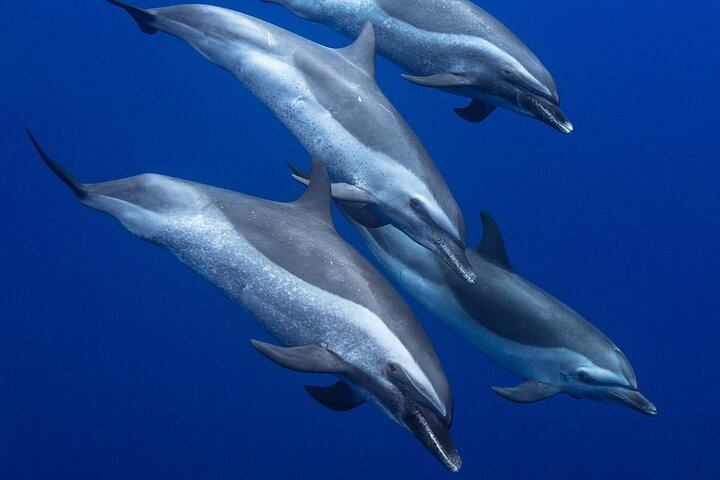
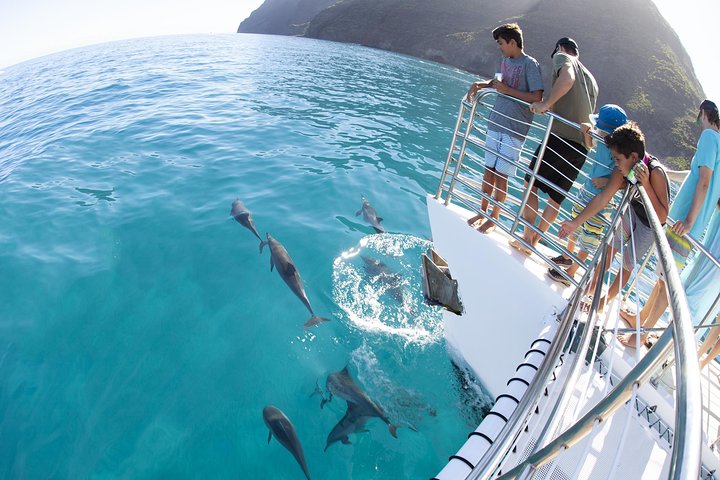
Hawaii’s warm, clear waters are home to wild dolphins, especially the acrobatic spinner dolphins, and encountering these graceful creatures in their natural habitat is a magical experience. Dolphin tours take you by boat to areas where wild dolphins are often seen, to watch them swim, leap and play, and sometimes to snorkel in the water near them.
Seeing wild dolphins in Hawaii is a genuine thrill. Spinner dolphins, named for their spectacular leaping and spinning, are the most commonly encountered, often seen in groups (pods) resting and playing in sheltered bays and coastal waters. Watching them glide alongside the boat, leap from the water and spin through the air is a wonderful wildlife experience, and for many a highlight of a Hawaii trip. Some tours offer the chance to snorkel in the water when dolphins are nearby, though whether and how this is permitted depends on the rules and the dolphins involved.
The crucial thing to understand is that these are wild dolphins in their natural habitat — not captive animals in a facility. This is a far more authentic and ethical way to encounter dolphins, but it also means there are rules and responsible-viewing practices to protect them. Because some dolphins (like spinner dolphins, which rest during the day) are vulnerable to disturbance, there are restrictions on approaching or swimming with certain dolphins, and these rules exist for good reason — to protect the animals’ welfare.
This makes choosing a responsible operator essential. Good operators prioritise the dolphins’ welfare, follow all the rules and viewing guidelines, and offer a respectful, ethical encounter. For wildlife lovers wanting a magical, authentic encounter with Hawaii’s wild dolphins — done responsibly — a dolphin tour is a wonderful experience.
What Should You Know About Responsible Dolphin Viewing?
Responsible viewing is central to encountering Hawaii’s wild dolphins ethically, so it’s important to understand the practices and rules.
Wild dolphins, not captive — Hawaii’s dolphin encounters are with wild dolphins in their natural habitat, which is more authentic and ethical than captive facilities, but means the dolphins’ welfare must come first.
Rules protect the dolphins — there are rules and guidelines governing how closely you can approach wild dolphins and whether you can swim with them, designed to protect the animals from disturbance and harm.
Spinner dolphins rest by day — spinner dolphins rest in sheltered bays during the day after feeding at night, so disturbing them can harm them; this is why there are restrictions on approaching and swimming with them.
Restrictions on swimming with some dolphins — there are limits on swimming with certain dolphins (including spinner dolphins), so a tour may offer watching rather than swimming, depending on the rules and the dolphins — check current regulations.
Choose responsible operators — responsible operators follow all the rules, keep a respectful distance where required, prioritise the dolphins’ welfare, and don’t harass the animals — essential for an ethical encounter.
Never chase or crowd dolphins — dolphins should never be chased, crowded or harassed, whether from a boat or in the water; responsible viewing means letting them behave naturally.
It’s for their protection — these practices exist to protect Hawaii’s wild dolphins, keeping the encounters sustainable and ethical for the future.
So responsible dolphin viewing is about putting the dolphins’ welfare first, following the rules and guidelines that protect them, and choosing operators who do the same. Because Hawaii’s dolphin encounters are with wild animals in their natural habitat, and because some dolphins (especially spinner dolphins resting by day) are vulnerable to disturbance, there are restrictions on approaching and swimming with them — and these rules can change, so it’s worth checking current regulations. The key for visitors is to choose a responsible, ethical operator who respects the rules and the dolphins, and to understand that watching wild dolphins behave naturally, rather than chasing or crowding them, is both the ethical and the most rewarding way to encounter them.
What Do Dolphin Tours Involve?
Dolphin tours vary in what they offer, so knowing what’s involved helps you understand the experience and choose well.
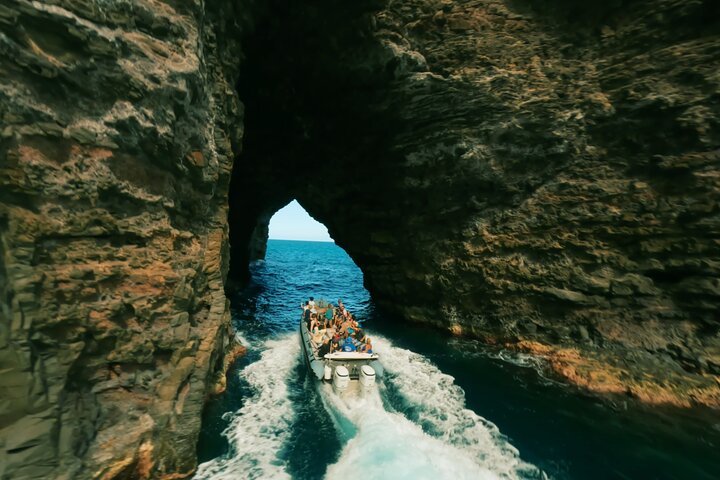
Boat trips to dolphin areas — tours take you by boat to coastal areas and bays where wild dolphins are often seen, to watch them in their natural habitat.
Watching dolphins — the core experience is watching wild dolphins swim, leap, spin and play from the boat — a wonderful wildlife encounter, though sightings are never guaranteed as these are wild animals.
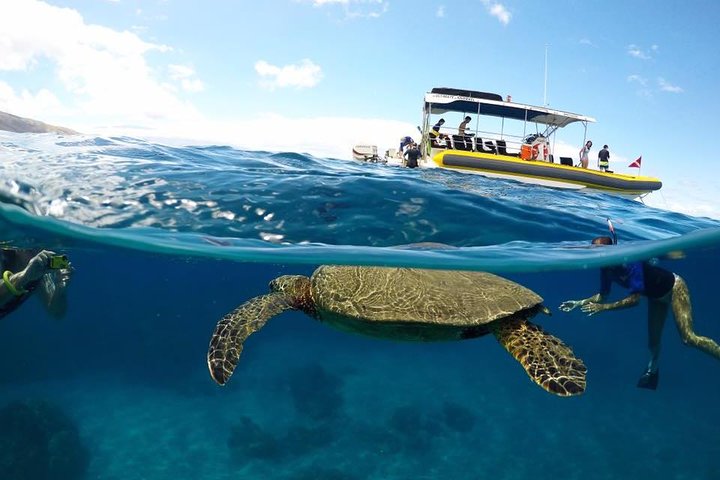
Snorkelling near dolphins — some tours offer the chance to snorkel when dolphins are nearby, though whether this is permitted depends on the rules and the dolphins involved; many responsible tours emphasise watching over swimming with protected dolphins.
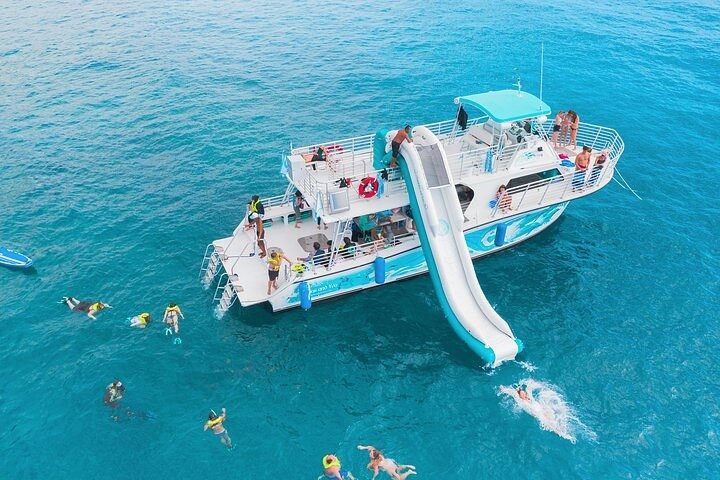
Combined with snorkelling or other activities — many dolphin tours combine the dolphin watching with snorkelling at reefs, coastal cruising, or other marine life, making a fuller trip.
No guaranteed sightings — because these are wild dolphins, sightings can’t be guaranteed, though tours go to areas where dolphins are often found, so the chances are usually good.
Responsible operators — good tours are run by responsible operators who follow the rules, prioritise the dolphins’ welfare, and provide an ethical experience.
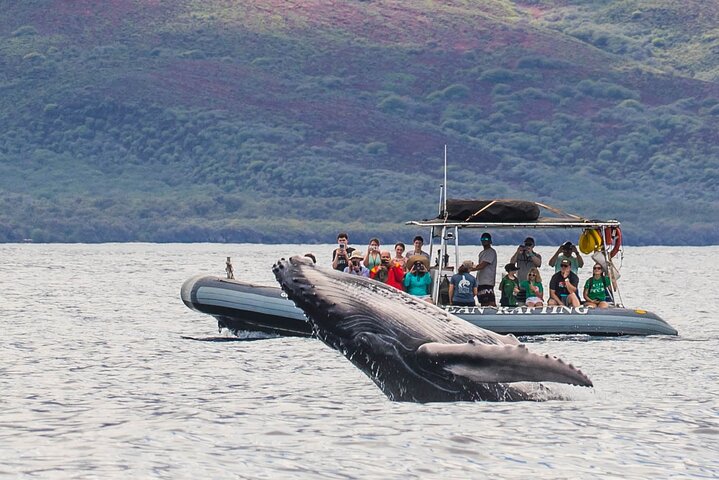
Other marine life — tours often encounter other marine life too — turtles, fish, sometimes whales (in season) — adding to the experience.
So dolphin tours typically involve a boat trip to areas where wild dolphins are often seen, to watch them swim and play in their natural habitat, often combined with snorkelling at reefs or other marine-life experiences. Whether you can snorkel near the dolphins themselves depends on the rules and the dolphins involved, with responsible tours often emphasising respectful watching over swimming with protected species. Because these are wild animals, sightings can’t be guaranteed, though tours go where dolphins are commonly found, so chances are usually good. The experience is as much about the whole marine outing — the boat trip, snorkelling, and other wildlife — as the dolphins alone. Choosing a responsible operator who respects the rules and the dolphins’ welfare is the key to an ethical, rewarding tour.
How Do You Choose a Responsible Dolphin Tour?
Choosing a responsible dolphin tour matters both ethically and for the quality of the experience, so here’s how to approach it.
Prioritise responsible operators — choose operators who prioritise the dolphins’ welfare, follow all the rules and viewing guidelines, keep respectful distances where required, and don’t harass the animals — the most important factor.
Check their approach to the rules — good operators are transparent about following the regulations on approaching and swimming with wild dolphins; be wary of any promising guaranteed close contact with protected dolphins.
Understand what’s offered — check whether the tour involves watching from the boat, snorkelling near dolphins (where permitted), or a combined marine trip, so you know what to expect.
Manage expectations on sightings — remember these are wild dolphins, so sightings aren’t guaranteed; responsible operators won’t over-promise.
Combined trips — consider tours that combine dolphin watching with snorkelling or other marine life, for a fuller experience given sightings vary.
Read reviews — well-reviewed, reputable operators with a good ethical reputation are the safest choice.
Check current regulations — the rules on dolphin interactions can change, so it’s worth being aware of current regulations and choosing operators who respect them.
So choosing a responsible dolphin tour comes down to prioritising operators who put the dolphins’ welfare first and follow the rules, understanding what the tour actually offers (watching, snorkelling where permitted, or a combined trip), managing expectations given sightings aren’t guaranteed, and choosing well-reviewed, reputable operators. Being wary of any operator promising guaranteed close contact with protected dolphins is wise, as this may indicate they don’t respect the rules. Because the regulations on dolphin interactions can change, and exist to protect the animals, the best approach is to choose an ethical operator who respects both the rules and the dolphins, and to value a respectful, authentic encounter with wild dolphins over any promise of guaranteed close contact. Done this way, a dolphin tour is both ethical and magical.
Practical Tips for Swimming with Dolphins in Hawaii
- Choose responsible operators who prioritise the dolphins’ welfare and follow the rules.
- These are wild dolphins — sightings aren’t guaranteed, and that’s part of it.
- Respect the restrictions on approaching and swimming with protected dolphins.
- Never chase or crowd dolphins — let them behave naturally.
- Consider combined tours with snorkelling for a fuller marine experience.
- Check current regulations — the rules can change.
- Be wary of operators promising guaranteed close contact with protected dolphins.
Are Hawaii Dolphin Tours Worth It?
For wildlife lovers wanting a magical, authentic encounter with Hawaii’s wild dolphins, a dolphin tour is well worth it — seeing these graceful creatures swim, leap and play in their natural habitat is a wonderful experience, provided it’s done responsibly.
The appeal is a genuine wildlife encounter. Hawaii’s warm, clear waters are home to wild dolphins, especially the acrobatic spinner dolphins, and watching them glide alongside the boat, leap from the water and spin through the air is a magical experience and a highlight of many a Hawaii trip. Because these are wild dolphins in their natural habitat — not captive animals in a facility — it’s a far more authentic and ethical way to encounter them. Tours take you to areas where dolphins are often seen, frequently combined with snorkelling at reefs or other marine life, making a fuller, rewarding marine outing. For those who love wildlife and want to see dolphins in the wild, done the right way, it’s a special experience.
The honest and important considerations centre on responsibility. These are wild animals, so sightings can’t be guaranteed (though chances are usually good where tours go), and crucially, there are rules and restrictions to protect the dolphins — including limits on approaching and swimming with certain dolphins like spinner dolphins, which rest by day and are vulnerable to disturbance. This means choosing a responsible operator who prioritises the dolphins’ welfare and follows the rules is essential, and it’s wise to be wary of any operator promising guaranteed close contact with protected dolphins. A responsible tour may emphasise respectful watching over swimming with protected species — which is both the ethical and the most rewarding approach.
But done responsibly, a dolphin tour is a wonderful experience. Watching wild dolphins behave naturally in their habitat, from an ethical operator who respects the animals and the rules, is magical and authentic, and far more rewarding than any artificial encounter. For wildlife lovers wanting to see Hawaii’s dolphins in the wild, a responsible dolphin tour is thoroughly worth it — just choose an ethical operator, respect the dolphins and the rules, and treasure the privilege of encountering these graceful creatures in their natural home.
Hawaii’s warm, clear waters are home to wild dolphins, especially acrobatic spinner dolphins, and encountering them in their natural habitat is magical. Dolphin tours take you by boat to areas where wild dolphins are often seen, to watch them swim, leap and spin, and sometimes to snorkel near them where permitted. Spinner dolphins are the most commonly encountered, often in playful pods. Crucially, these are wild dolphins, not captive animals, which is more authentic and ethical but means rules and responsible-viewing practices protect them, including restrictions on approaching or swimming with certain dolphins.
Sometimes, but there are important restrictions. Because Hawaii’s dolphins are wild animals in their natural habitat, and some, like spinner dolphins that rest by day, are vulnerable to disturbance, there are rules and limits on approaching and swimming with certain dolphins, designed to protect them. So a tour may offer watching from the boat rather than swimming, depending on the rules and the dolphins involved, and responsible operators often emphasise respectful watching over swimming with protected species. The regulations can change, so check current rules and choose an ethical operator who respects them.
Responsible viewing puts the dolphins’ welfare first. Hawaii’s dolphin encounters are with wild animals in their natural habitat, so rules and guidelines govern how closely you can approach and whether you can swim with them, protecting them from disturbance. Spinner dolphins rest in bays by day, so disturbing them is harmful, which is why there are restrictions. Choose responsible operators who follow the rules, keep respectful distances and never chase or crowd the dolphins. These practices keep the encounters sustainable and ethical, and watching dolphins behave naturally is both the ethical and the most rewarding way to see them.
Dolphin tours take you by boat to coastal areas and bays where wild dolphins are often seen, to watch them swim, leap, spin and play in their natural habitat. Some offer snorkelling where dolphins are nearby, depending on the rules, and many combine dolphin watching with snorkelling at reefs, coastal cruising or other marine life for a fuller trip. Because these are wild dolphins, sightings cannot be guaranteed, though tours go where dolphins are commonly found. Tours often encounter other marine life too, like turtles and, in season, whales. Choose responsible operators who follow the rules.
No, because these are wild dolphins in their natural habitat, sightings cannot be guaranteed. However, tours go to coastal areas and bays where wild dolphins are commonly found, so the chances of seeing them are usually good. Responsible operators will not over-promise or guarantee sightings. Because of this, many dolphin tours combine the dolphin watching with snorkelling at reefs or other marine-life experiences, so the trip is rewarding regardless of how many dolphins appear. Approaching it as a wild-wildlife experience, where seeing dolphins is a wonderful but not guaranteed highlight, sets the right expectation.
Prioritise operators who put the dolphins’ welfare first, follow all the rules and viewing guidelines, keep respectful distances and do not harass the animals. Good operators are transparent about following the regulations, so be wary of any promising guaranteed close contact with protected dolphins. Understand what the tour offers, whether watching, snorkelling where permitted, or a combined marine trip, and manage expectations as sightings are not guaranteed. Read reviews and choose reputable operators with a good ethical reputation. Since the rules can change, choose operators who respect current regulations and the dolphins.
Encountering Hawaii’s wild dolphins can be ethical when done responsibly, as these are wild animals in their natural habitat rather than captive animals, which is far more authentic and ethical than captive facilities. However, ethics depend on respecting the dolphins’ welfare: following the rules and restrictions that protect them, keeping respectful distances, never chasing or crowding them, and choosing responsible operators. Disturbing resting dolphins like spinner dolphins is harmful, which is why restrictions exist. Watching wild dolphins behave naturally, with an ethical operator, is both the responsible and the most rewarding approach.
For wildlife lovers wanting a magical, authentic encounter with Hawaii’s wild dolphins, yes, provided it is done responsibly. Watching wild dolphins, especially spinner dolphins, swim, leap and spin in their natural habitat is a wonderful experience, more authentic and ethical than captive encounters, and often combined with snorkelling for a fuller marine outing. The key considerations are that sightings are not guaranteed as these are wild animals, and that there are rules protecting the dolphins, so choosing a responsible operator who respects them is essential. Done the right way, thoroughly worth it.